
Burst Pipe Repair & Whole-Home Repiping in San Mateo, CA
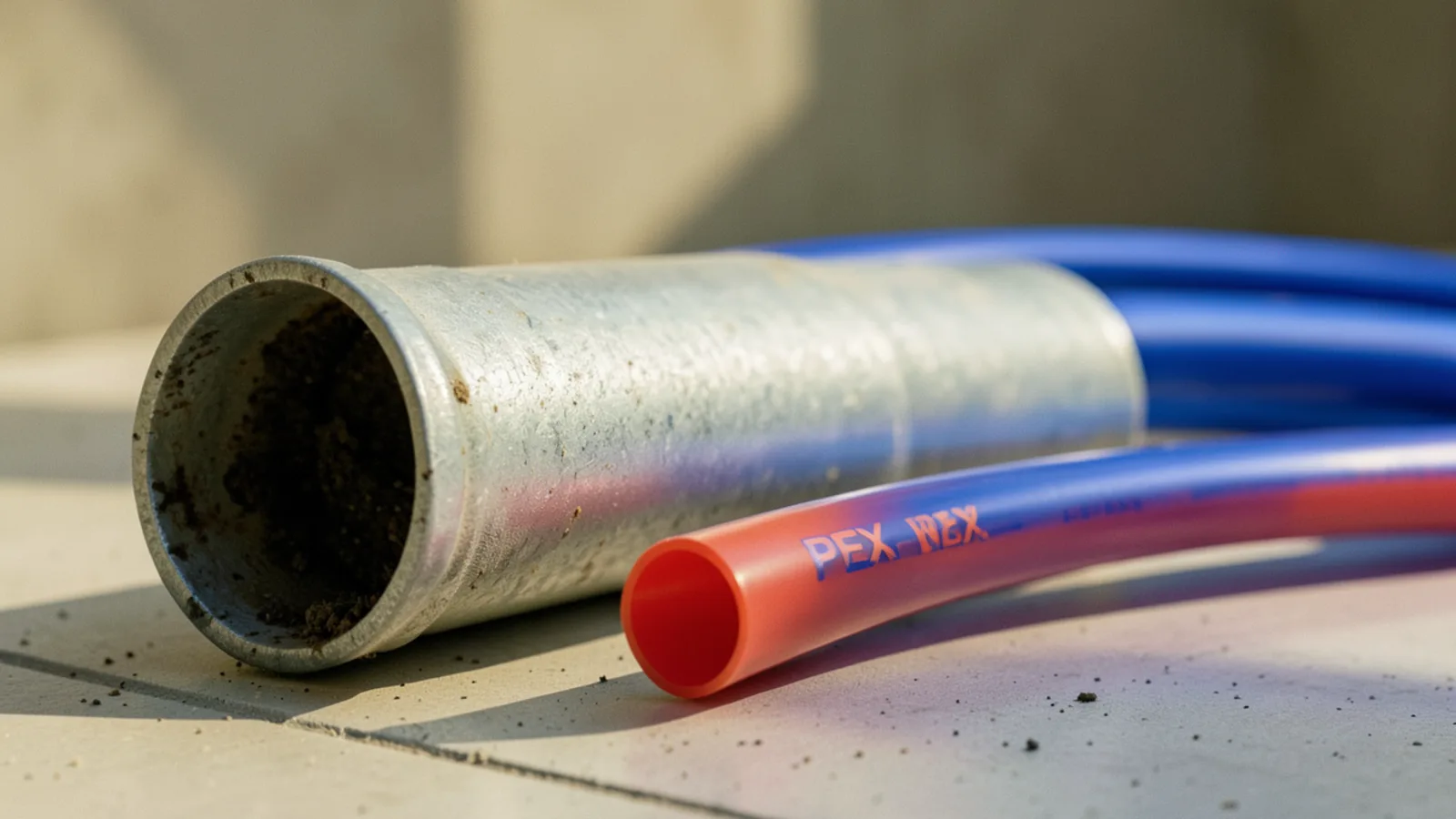
Failing water pipes threaten structural framing, ruin finished interiors, and leave homes with discolored, low-pressure water. AVS Plumbing connects San Mateo homeowners with master repiping and pipe repair contractors. With a median housing build year near 1955, thousands of Peninsula properties suffer from decaying galvanized steel pipes. Technicians provide rapid emergency pipe repairs for active bursts, as well as comprehensive whole-home repiping in Uponor PEX-a or Type L copper under California Plumbing Code Chapter 6.
What Peninsula Burst Pipe Repair & Repiping Covers
When you request burst pipe repair & repiping through our Peninsula dispatch line, independent plumbing contractors arrive equipped to deliver comprehensive diagnostics and repairs tailored to local building codes:
Common Symptoms & Regional Causes
Plumbing failures across San Mateo, Burlingame, and Belmont often stem from the region's 1950s housing stock, mature tree canopies, and bay-fill soil movement.
Warning Signs to Watch
- •Pressurized water spraying or dripping continuously from ceiling plaster, drywall, or floor cavities
- •Rusty, brownish morning tap water containing visible flakes of oxidized iron and mineral sediment
- •Severe drop in water volume and flow rate when multiple household fixtures run simultaneously
- •Recurring pinhole leaks that reappear in adjacent wall bays weeks after a previous spot repair
- •Chronic low water pressure in upstairs bathrooms and slow-filling washing machines or dishwashers
- •Visible blue-green corrosion or white crust forming along copper solder joints in crawlspaces
Peninsula Environmental Factors
- •Median housing age in San Mateo (~1955) where galvanized steel pipes have surpassed their 50–70 year operational lifespan
- •Severe internal rust tuberculation choking 3/4-inch supply pipes down to pencil-thin openings
- •Galvanic electrolysis occurring where copper lines were spliced to galvanized pipes without insulating dielectric unions
- •High municipal water pressure spikes over 80 PSI in hillside zones (Belmont, San Carlos, San Mateo Highlands)
- •Differential bay-fill soil compaction putting heavy shear stress on under-slab and crawlspace plumbing
Experiencing Burst Pipe Repair & Repiping Issues?
Call our Peninsula line now. Speak with a coordinator to describe your symptoms and request on-site dispatch.
Diagnostic Inspection & Method Options
Before commencing repairs, the contractor performs an on-site diagnostic assessment to evaluate piping material, access limitations, and line pitch.
What the Contractor Inspects on Site:
- •Pipe material composition: identifying transitions between galvanized steel, copper, PEX, or polybutylene
- •Crawlspace accessibility: checking subfloor joist clearance, pipe hanger spacing, and moisture migration
- •Water pressure regulator valve: testing for static household water pressure spikes exceeding 75 PSI
- •Wall cavity pathways: planning minimal drywall incisions for efficient Uponor PEX tubing routing
- •Main building shutoff valve: verifying smooth quarter-turn brass operation and street meter isolation
Repair Methods & Practical Trade-Offs
Uponor PEX-a vs. Type L Copper Repiping
Flexible expandable polymer versus traditional rigid metal.
Trade-offs: Uponor PEX-a is highly flexible, requires up to 70% fewer fittings inside concealed wall cavities, resists mineral scale completely, and installs faster at lower cost; Type L rigid copper is a proven metallic material with natural antimicrobial qualities, but incurs higher material costs and requires open-flame brazing inside wall bays.
Emergency Spot Repair vs. Whole-Home Repiping
Patching the immediate leak versus replacing the entire water distribution system.
Trade-offs: Spot repair stops an active leak quickly and affordably; however, on 70-year-old galvanized pipes, fixing one spot shifts hydraulic pressure to the next weakest joint, causing cascading failures. Whole-home repiping permanently eliminates water discoloration and future leak risks.
Overhead Attic Routing vs. Subfloor Crawlspace Distribution
Distributing water lines through attic spaces versus raised crawlspaces.
Trade-offs: Crawlspace routing keeps plumbing easily accessible and insulated from summer heat; overhead attic routing is ideal for homes built on concrete slab foundations where underground pipe access is impractical.
Diagnostic Equipment & Field Methods in Action
Independent plumbing contractors utilize specialized diagnostic tools and commercial machinery to identify issues accurately and restore plumbing performance across the Peninsula:
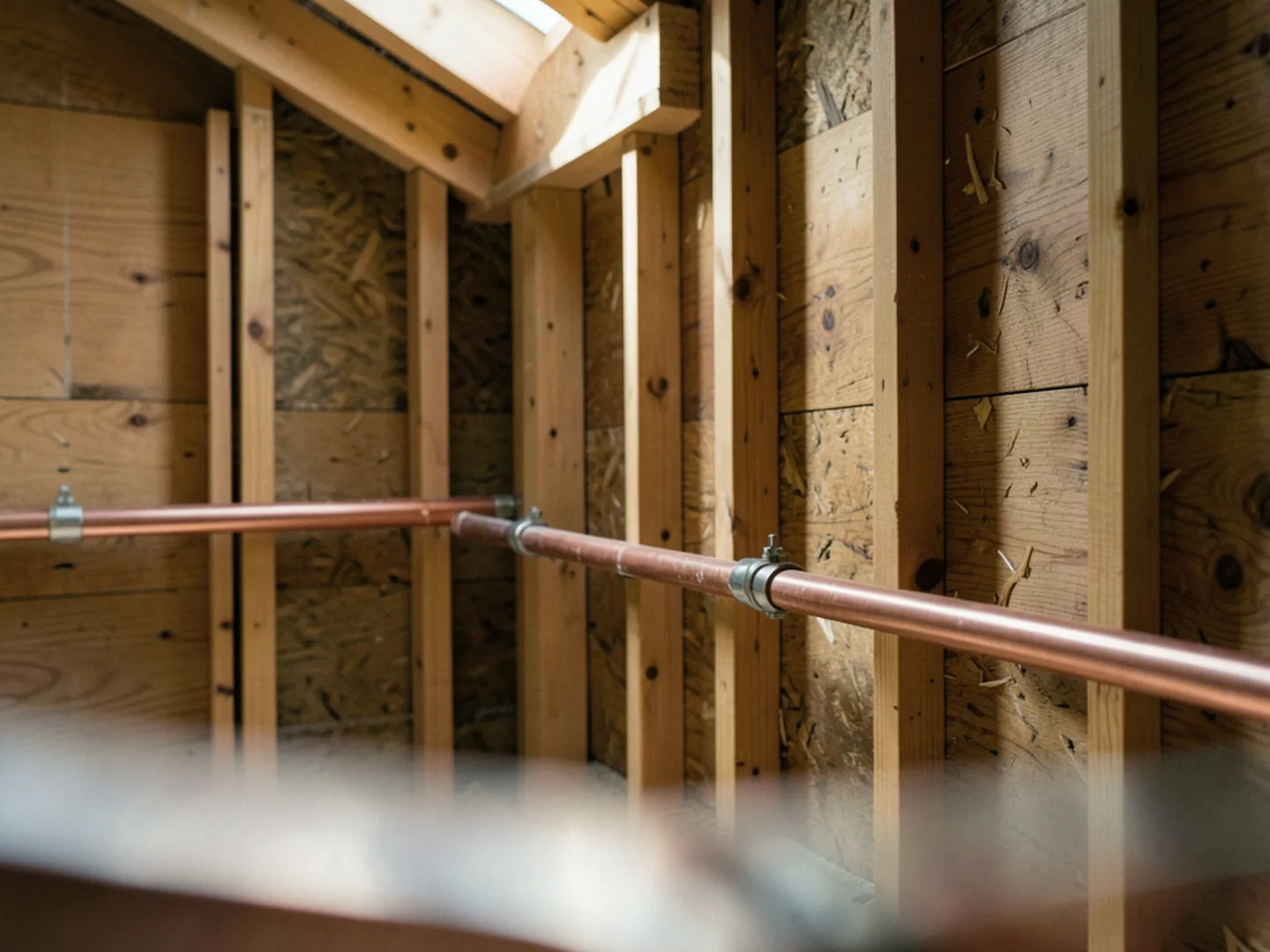
Rigid copper supply lines installed during a residential whole-home repiping project

Modern cross-linked polyethylene (PEX) manifold for whole-home water distribution
Residential pressure reducing valve regulating municipal water pressure to a safe 60 PSI
A clean copper water supply pipe joint installed to California plumbing standards
How the Contractor Executes Repairs
A structured emergency plumbing process ensures proper isolation, code compliance, and clean verification.
Emergency Isolation & System Sizing Assessment
Water is safely isolated and the technician measures pipe diameters and static pressure to determine whether a spot repair or repiping plan is needed.
Municipal Permitting & Dust Containment
Plumbing permits are pulled with the city building department and technicians lay protective floor runners and containment plastic throughout work paths.
Precision Wall Openings & Pipe Routing
New PEX or copper lines are routed through crawlspaces, attics, and wall bays with surgical drywall incisions that preserve structural framing.
100 PSI Hydrostatic Pressure Testing & City Inspection
The completed system is pressurized to 100 PSI with air or water, inspected by municipal building officials, and certified code-compliant.
Water Reactivation & High-Volume Fixture Flush
Technicians reconnect all fixtures with new quarter-turn stops, flush lines to purge air and debris, and verify leak-free performance at every tap.
What Factors Influence Repair Costs
Plumbing costs vary according to diagnostic complexity, physical access, and required materials. The following published local reference ranges reflect typical Peninsula repair scopes:
| Service Scope | Published Local Range | Key Variables |
|---|---|---|
| Emergency Burst Pipe Spot Repair | $225 – $1,150 | Varies based on pipe accessibility, wall opening requirements, and material splice complexity. |
| Main Water Service Line Replacement | $2,200 – $5,400 | Trenchless or excavated replacement from the municipal street meter to the household main shutoff. |
| Whole-Home PEX-a Repipe (2-Bath Home) | $4,500 – $9,800 | Includes Uponor PEX-a piping, new fixture stops, permit fees, pressure testing, and complete system flush. |
| Whole-Home Type L Copper Repipe (2-Bath Home) | $6,800 – $13,500 | Reflects premium copper tubing, brazed fittings, extensive fire protection measures, and city inspections. |
* Note: Reference ranges are based on published San Mateo County historical averages. Every property requires an on-site inspection, and a binding written estimate must be provided before work begins.
California Regulatory & Contractor Verification
All pipe replacements must adhere to California Plumbing Code Chapter 6 and California AB 1953 lead-free plumbing standards. Repipes require city building department permits and pressure inspections.
Verify Contractor License on CSLB Official RegistryWhy Peninsula Homeowners Call AVS Plumbing for Pipe Repair & Repiping
Active water leaks and corroded galvanized pipes threaten structural integrity, ruin interior drywall, and reduce water pressure to a trickle. AVS Plumbing operates a dedicated live telephone connection service connecting San Mateo County homeowners directly with independent repiping contractors and emergency plumbers. Dispatched specialists arrive equipped with commercial pipe crimping systems, acoustic leak locators, Type L copper, and Uponor PEX-a to execute fast spot repairs or whole-home repiping under California Plumbing Code standards.
Burst Pipe Repair & Repiping FAQs
Specific questions answered regarding response procedures, local soil conditions, and municipal codes.
While freezing causes pipe bursts in cold climates, Peninsula pipes burst primarily from age-related internal corrosion in 1950s galvanized iron lines, high municipal water pressure spikes over 80 PSI, and structural mechanical stress caused by soil movement along bay-fill zones.
Peninsula Service Areas for Burst Pipe Repair & Repiping
Independent plumbing contractors dispatch across San Mateo County. Explore city-specific plumbing conditions:
Rerouting pressurized water lines through attic and ceiling spaces avoids destructive trenching through concrete slab foundations.
Pre-1950s homes suffer from rust-choked supply pipes resulting in brown tap water and low pressure.
Extreme municipal water pressures on steep hillside mains blow out older regulators, rupturing interior pipes.
1940s–1950s White Oaks homes experience severe internal pipe rust and restricted water volume.
Mid-century homes require whole-home PEX conversions to eliminate brown water and low pressure.
Replacing 70-year-old steel water supply lines to restore clean water and shower pressure.
Replacing rusted 1950s steel pipes to eliminate morning rust water and low flow.
Upgrading rusted steel pipes in Doelger homes to restore water volume and pressure.
Ready to Connect for Burst Pipe Repair & Repiping?
Call (321) 559-0657 to speak with our San Mateo County dispatch line. Available 24/7.