
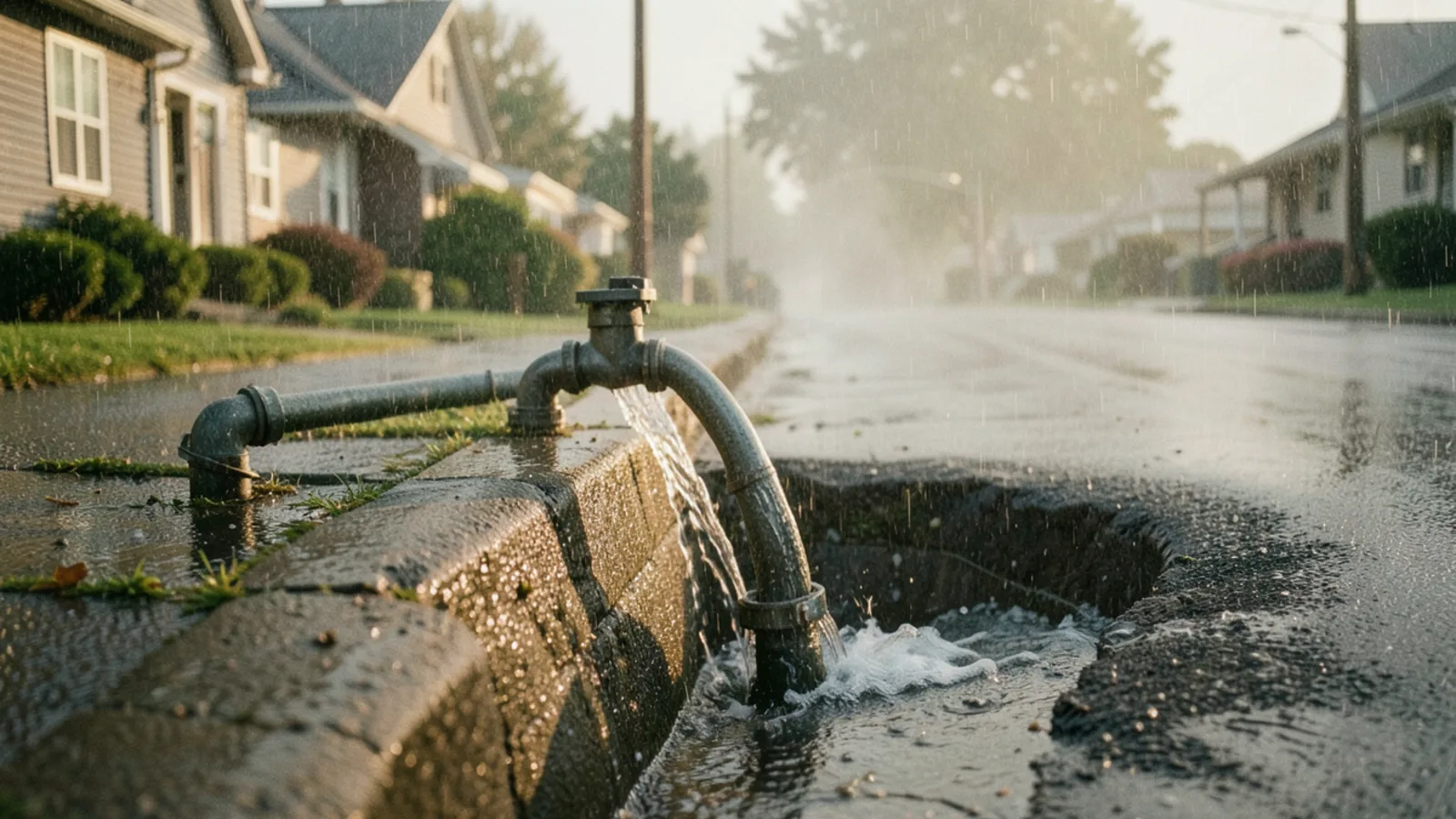
The Anatomy of a Peninsula Atmospheric-River Plumbing Crisis
During northern California's winter rainy season, subtropical atmospheric rivers carry massive moisture plumes across the Santa Cruz Mountains, dumping heavy rainfall across San Mateo County. In a matter of hours, rainfall totals can exceed 3 to 4 inches, rapidly saturating soils from Daly City south to Menlo Park. For municipal sanitary sewer systems, this sudden hydraulic load triggers severe operational stress that frequently results in raw sewage backing up into ground-floor residential fixtures.
Need Immediate Plumbing Assistance?
Call (321) 559-0657 to connect directly with an independent local plumber in San Mateo County.
What Is Inflow and Infiltration (I&I)?
Municipal sewer mains are engineered solely to convey domestic wastewater from toilets, sinks, and showers—not stormwater runoff. However, during major storms, millions of gallons of rainwater enter the sewer system through two mechanisms known collectively as Inflow and Infiltration (I&I). "Inflow" occurs when rainwater directly enters the system through illegal patio drains, roof downspouts, or unsealed manhole covers. "Infiltration" occurs when rising groundwater tables seep through cracked pipes, fractured clay joints, and deteriorated inspection cleanouts across thousands of private residential laterals.
Why 1950s Clay Laterals Are Vulnerable to Saturated Soils
A significant portion of Peninsula homes built between 1940 and 1965 rely on vitrified clay pipe (VCP) sewer laterals. Clay pipes were installed in short 3-foot to 5-foot sections connected with mortar or tar-paper joints. Over 70 years of soil movement, earthquake vibrations, and tree root penetration, these joints loosen and crack. When winter rain saturates the surrounding soil, the water table rises directly around the pipe, flooding the lateral with groundwater and overwhelming municipal collection capacity.
Low-Lying Coastal Risk Zones: Foster City, Redwood Shores, Marina Lagoon
Peninsula topography creates extreme localized vulnerability during winter storms. Coastal neighborhoods built on reclaimed bay fill—such as Foster City and Redwood Shores—sit at elevations near or below high tide levels. When high astronomical "King Tides" coincide with heavy atmospheric-river rainfall, municipal gravity storm and sewer mains experience hydraulic head pressure, preventing normal flow and forcing wastewater backwards toward residential foundation slabs.
The Backwater Valve: Your Home’s Flapper Defense Shield
Under California Plumbing Code Section 710.1, residential drainage fixtures installed on a floor level that is lower than the elevation of the next upstream municipal sewer manhole cover must be protected by an approved backwater check valve. A backwater valve is a mechanical one-way flapper installed in your private lateral pipe outside the home. Under normal conditions, domestic waste flows smoothly past the open flapper out to the street. If the municipal main surcharges and wastewater flows backward, the reverse hydraulic pressure forces the flapper shut, creating a watertight barrier that prevents street sewage from entering your home.
Immediate Action Protocols for Blackwater Backups
If sewage begins backing up into your basement floor drain, bathtub, or ground-floor toilet during a storm, follow these urgent protocols:
- •Stop all interior water usage immediately. Turn off washing machines, dishwashers, and do not flush toilets or run faucets.
- •Evacuate the flooded area. Raw sewage is classified as Category 3 "blackwater" containing dangerous bacterial pathogens, viruses, and parasites.
- •Do not walk through sewage without rubber boots, heavy gloves, and eye protection.
- •Call emergency plumbing dispatch at (321) 559-0657 to snake or hydro jet the main cleanout and inspect the backwater assembly.
- •Contact your municipal public works department to determine if the street collection main is actively surcharged.
Pre-Storm Preventive Plumbing Checklist
Take these proactive steps before atmospheric storms arrive in November:
| Inspection Item | Action Required | Frequency | Risk If Neglected |
|---|---|---|---|
| Sewer Lateral Cleanout | Inspect threaded cap for tight seal & accessibility | Annually (October) | Surface runoff floods directly into sewer pipe |
| Backwater Valve Flapper | Open access lid, clean grease & debris from hinge | Semi-annually | Flapper jams open during street sewer backup |
| Sump Pump System | Test float switch, clean intake screen, check battery backup | Annually | Basement floods during winter power outages |
| Yard & Patio Drains | Verify drains connect to storm swales, not sanitary sewer | One-time review | Violates municipal code & causes severe backups |
Technical Field Visuals & Reference Equipment
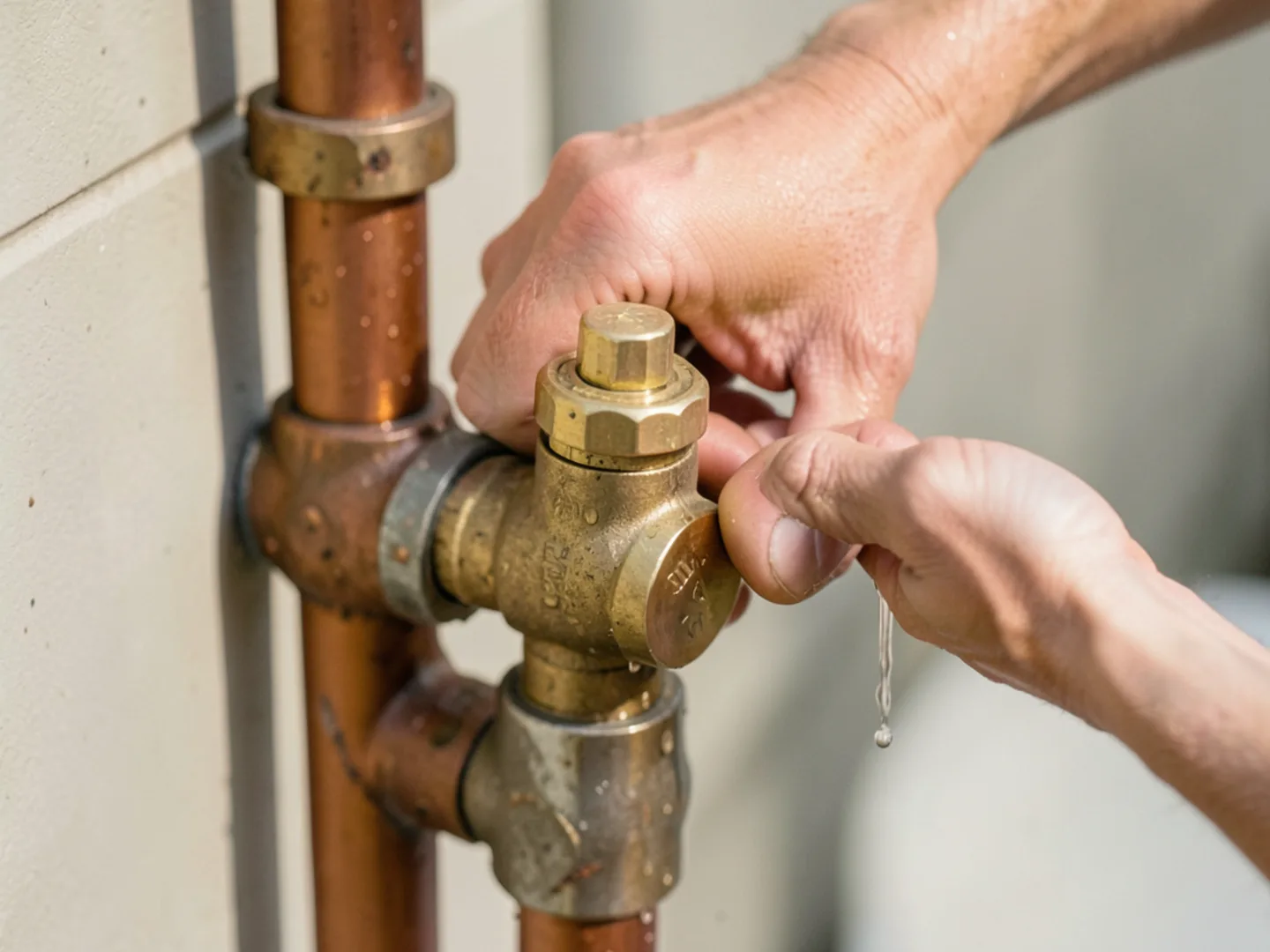
Turning the main water shutoff valve clockwise immediately stops pressurized flooding
Inline backwater flapper valve preventing municipal sewer surges from backing up into homes
High-pressure scouring nozzle used to clear mineral scale and root growth from main sewer laterals
Conclusion & Next Steps for Peninsula Property Owners
Addressing urgent plumbing faults across San Mateo County requires balancing immediate safety isolation with long-term code compliance. Whether dealing with a sudden slab leak, earthquake gas shutoff compliance, or an aging sewer lateral, working with a licensed Class C-36 contractor guarantees proper permits and durable repairs.
Questions Addressed in This Guide
Specific answers addressing safety protocols, local building codes, and diagnostic steps.
Gurgling toilets indicate that municipal or private sewer lines are filling with rainwater infiltration. Trapped air inside the pipe is forced upward through your toilet trap by rising wastewater pressure.
Verified Research Sources & Regulatory References
The technical, legal, and regulatory statements on this page are corroborated against publicly accessible municipal codes, state licensing statutes, and utility guidelines:
- •NWS Bay Area Climate Records — National Weather Service San Francisco Bay Area: Historical Winter Precipitation Records.
- •OneShoreline District — San Mateo County Flood and Sea Level Rise Resiliency District: Watershed Flood Maps.
- •California Plumbing Code Sec 710 — 2022 California Plumbing Code: Drainage of Fixtures Below Upstream Manhole Cover Elevation.