
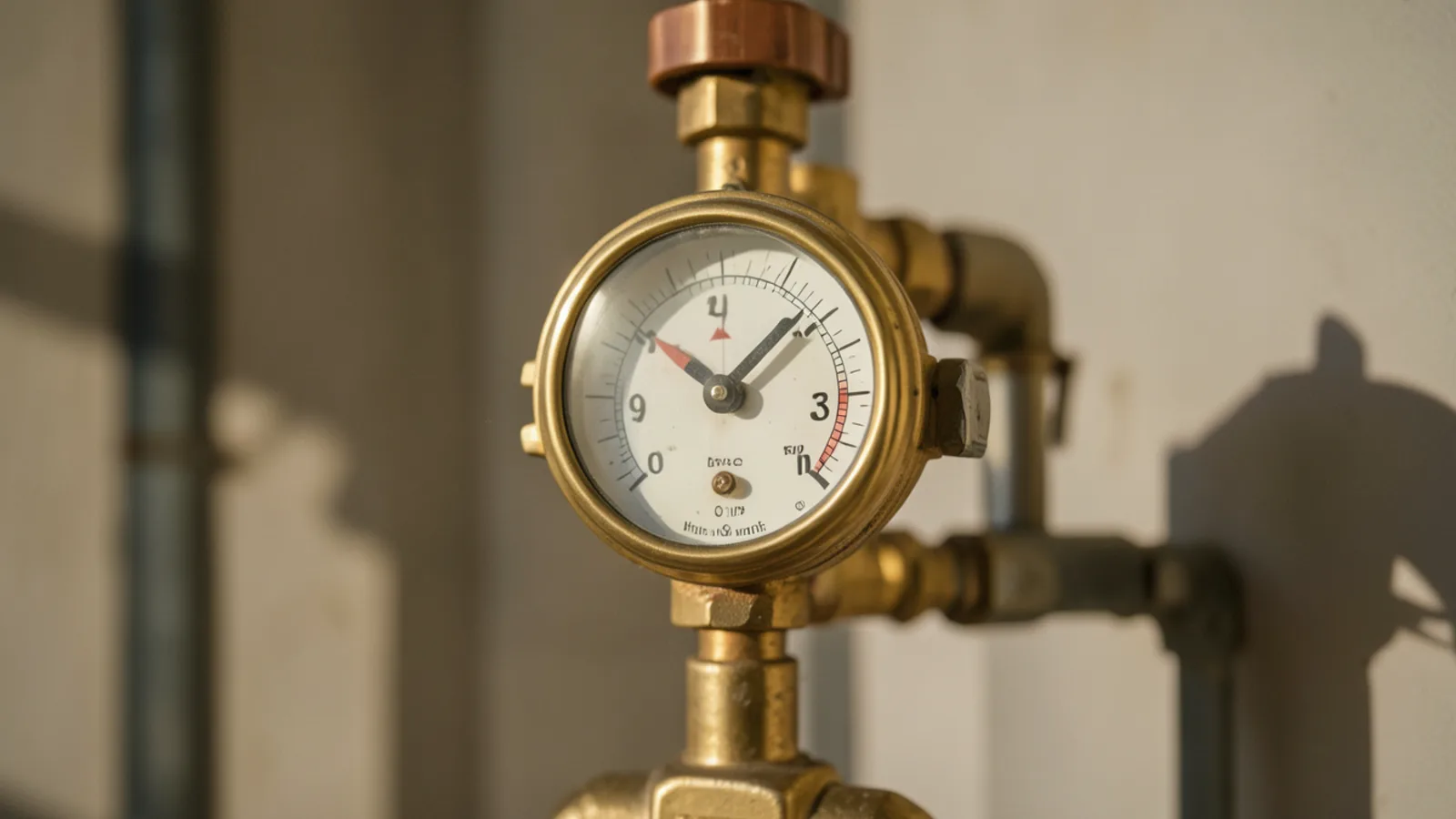
The Silent Threat: Hidden Leaks Behind Walls and Under Slabs
Unlike an obvious fixture blowout or burst hose bib, hidden water leaks develop gradually behind sheetrock, beneath hardwood floors, or deep inside concrete slab foundations. In San Mateo County, where many homes sit on mid-century slab-on-grade foundations or reclaimed bay fill, pinhole water pipe leaks can discharge hundreds of gallons daily into sub-slab soil for months before visible surface signs emerge. Recognizing early physical indicators is essential to preventing foundation settlement, wood rot, and toxic mold growth.
Need Immediate Plumbing Assistance?
Call (321) 559-0657 to connect directly with an independent local plumber in San Mateo County.
The 15-Minute Water Meter Leak Test You Can Do Yourself
You can verify whether your plumbing system has an active hidden leak in 15 minutes using your municipal water meter. Follow this simple diagnostic procedure:
- •Step 1: Ensure all water fixtures inside and outside your home are completely turned off. Verify washing machines, dishwashers, ice makers, and automated irrigation controllers are inactive.
- •Step 2: Locate your municipal water meter box, typically found in a concrete underground vault near the street sidewalk or front curb.
- •Step 3: Remove the lid and clean debris from the meter face. Look for the "low-flow indicator"—a small red, silver, or blue triangle or small rotating cog wheel.
- •Step 4: If the small indicator dial is visibly spinning or rotating even slowly while all taps are closed, pressurized water is escaping somewhere on your property.
- •Step 5: If the dial appears still, record the exact digital reading. Wait 20 minutes without using any water, then re-check the meter. Any advance in the meter register confirms an active leak.
7 Definitive Warning Signs of a Concealed Plumbing Leak
Watch for these common symptoms across Peninsula properties:
| Warning Sign | Physical Indicator | Likely Leak Location | Urgency Level |
|---|---|---|---|
| Spike in Water Bill | Unexplained increase in Cal Water or municipal billing | Main yard service line or under-slab supply pipe | High — investigate immediately |
| Warm Floor Spots | Warm tiles or localized heated patch on slab floor | Hot water supply line rupture beneath concrete slab | Critical — risk of foundation erosion |
| Audible Hissing Sounds | Sound of running water behind walls when taps are off | Pressurized copper pinhole inside interior wall cavity | High — drywall saturation imminent |
| Spongy Baseboards | Soft, bubbling, or discolored drywall near floor level | Slow joint drip or crawlspace riser rupture | Moderate — mold germination zone |
| Musty Crawlspace Odor | Earthy fungal smell entering living areas | Subfloor waste line leak or weeping supply coupling | Moderate — indoor air quality hazard |
| Foundation Settlement | New diagonal cracks across drywall or concrete patio | Long-term sub-slab leak washing away soil support | Critical — structural integrity risk |
| Loss of Water Pressure | Weak flow at multiple fixtures simultaneously | Major underground service line fracture between meter & home | High — line isolation required |
Peninsula Soil Mechanics: Why Bay Mud Causes Slab Leaks
In waterfront Peninsula communities like Foster City and Redwood Shores, housing subdivisions were developed over engineered hydraulic bay fill dredged from San Francisco Bay in the 1960s and 1970s. As organic marine clays beneath the fill slowly consolidate over decades, differential ground settlement occurs. This gradual mechanical settlement exerts severe shear and tension forces on rigid copper water pipes encased within or beneath concrete foundation slabs, eventually causing friction pinhole leaks.
Non-Invasive Diagnostic Technology Used by Professionals
Locating a buried leak without tearing apart floors requires specialized acoustic and thermal instruments. Dispatched plumbing diagnostic specialists deploy three non-invasive technologies: electronic ground microphones that amplify the acoustic frequency of water escaping under pressure; high-resolution thermal imaging cameras that detect minute temperature differentials on flooring surfaces; and inert tracer gas systems that detect sub-slab leaks through minute floor joints.
Repair Strategies: Direct Slab Penetration vs. Overhead PEX Reroutes
When a sub-slab leak is identified, homeowners face two repair approaches. Direct slab penetration involves jackhammering through tile or hardwood flooring to patch the localized pipe. While effective for accessible leaks, it damages interior finishes and leaves aged copper in place. The modern preferred alternative is an overhead PEX-a reroute, where the failing sub-slab line is abandoned in place and a flexible Uponor PEX-a line is routed through interior wall cavities and the attic, permanently eliminating future sub-slab leak risks.
Technical Field Visuals & Reference Equipment
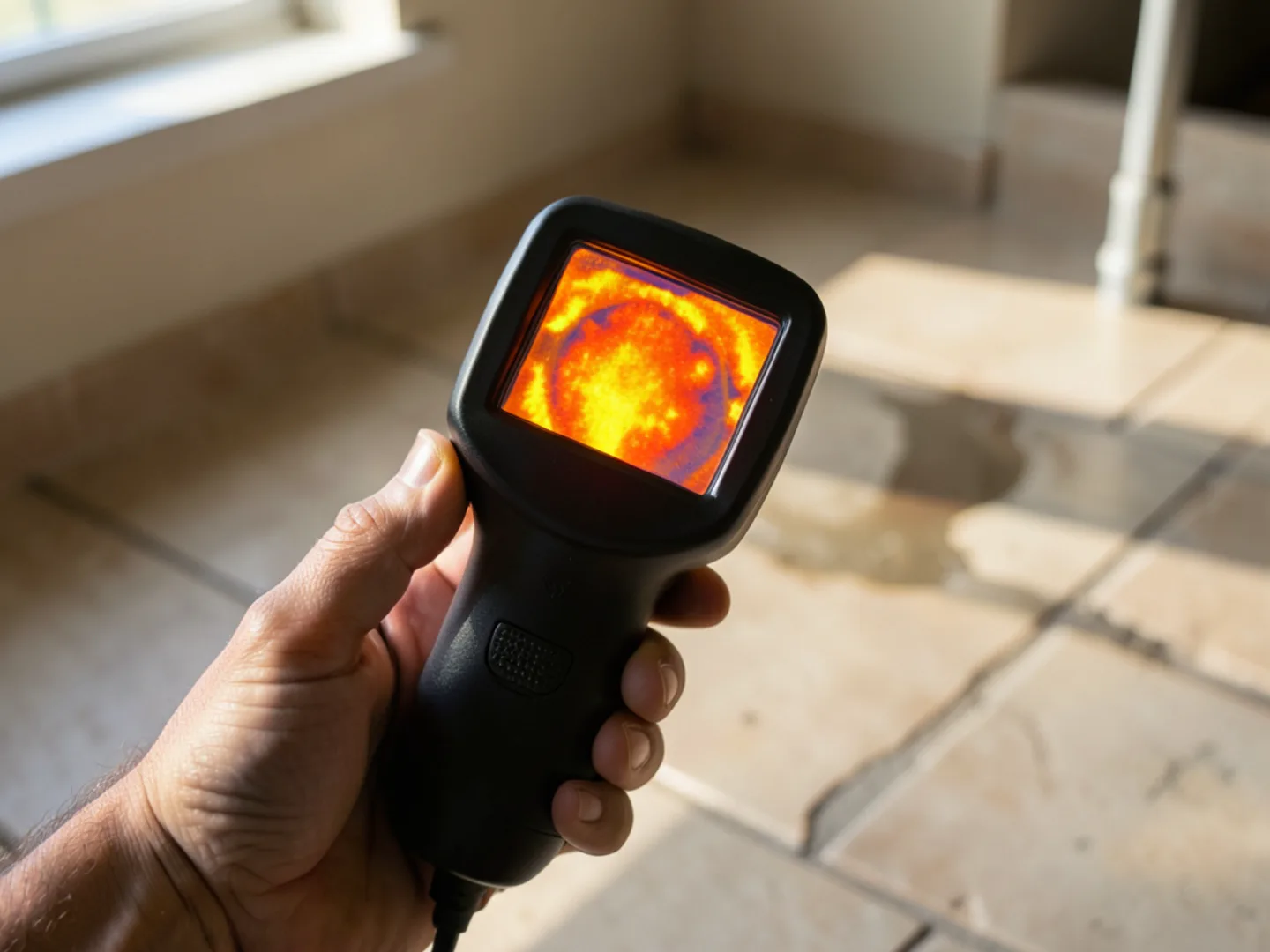
Infrared imaging revealing the thermal bloom of a hot water leak beneath a finished floor
Non-invasive acoustic sensor used to pinpoint slab leaks beneath concrete foundations
A clean copper water supply pipe joint installed to California plumbing standards
Conclusion & Next Steps for Peninsula Property Owners
Addressing urgent plumbing faults across San Mateo County requires balancing immediate safety isolation with long-term code compliance. Whether dealing with a sudden slab leak, earthquake gas shutoff compliance, or an aging sewer lateral, working with a licensed Class C-36 contractor guarantees proper permits and durable repairs.
Questions Addressed in This Guide
Specific answers addressing safety protocols, local building codes, and diagnostic steps.
Most policies cover the cost of locating the leak and repairing structural damage caused by water (tear-out and restoration), but typically exclude the plumbing repair to the pipe itself.
Verified Research Sources & Regulatory References
The technical, legal, and regulatory statements on this page are corroborated against publicly accessible municipal codes, state licensing statutes, and utility guidelines:
- •Cal Water Conservation Data — California Water Service: Residential Leak Detection & Water Conservation Standards.
- •California Building Code Sec 604 — 2022 California Plumbing Code: Water Distribution System Materials and Pressure Limits.
- •American Leak Detection Technical Guide — Non-Invasive Acoustic and Infrared Water Leak Diagnostics Handbook.